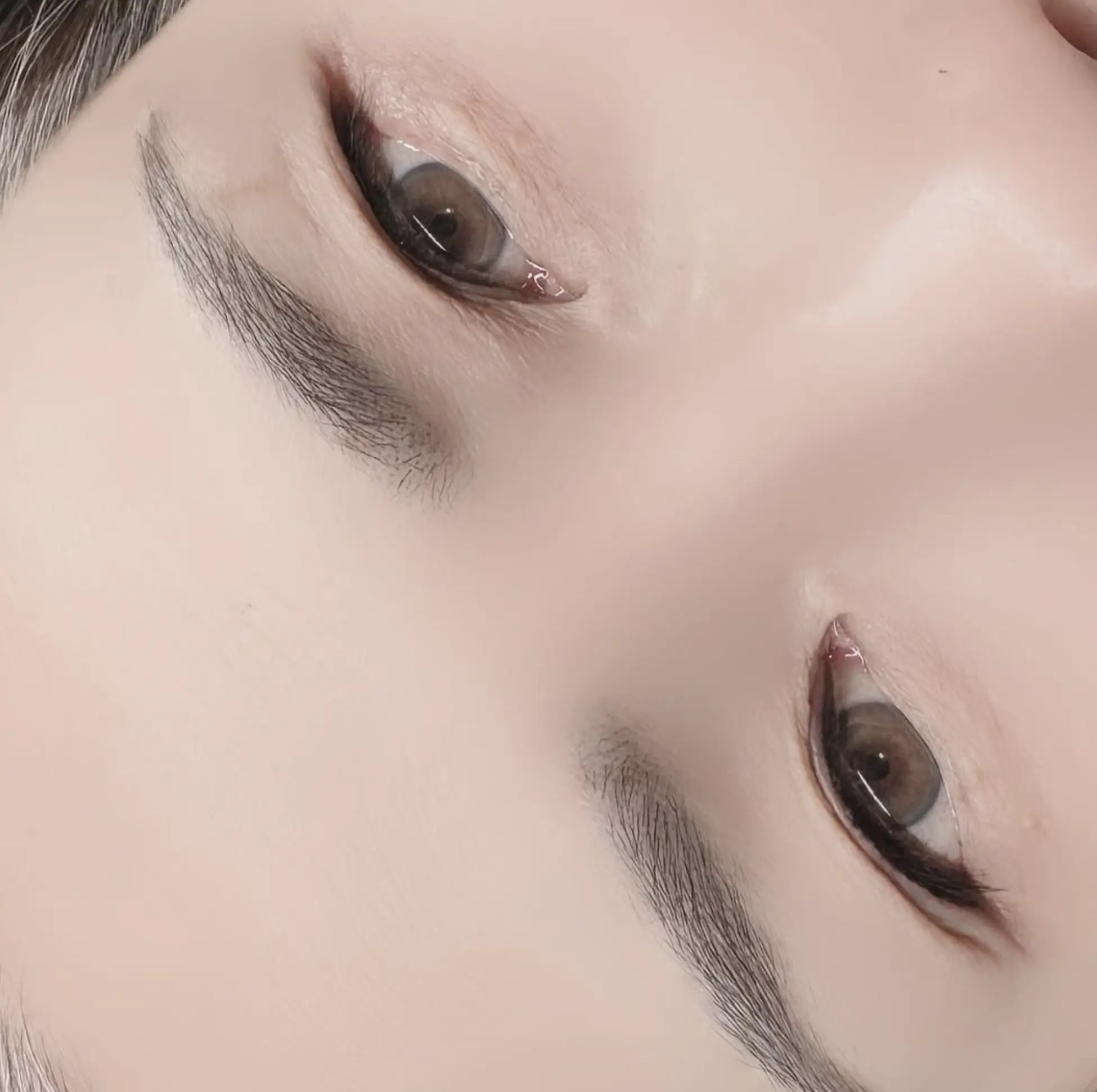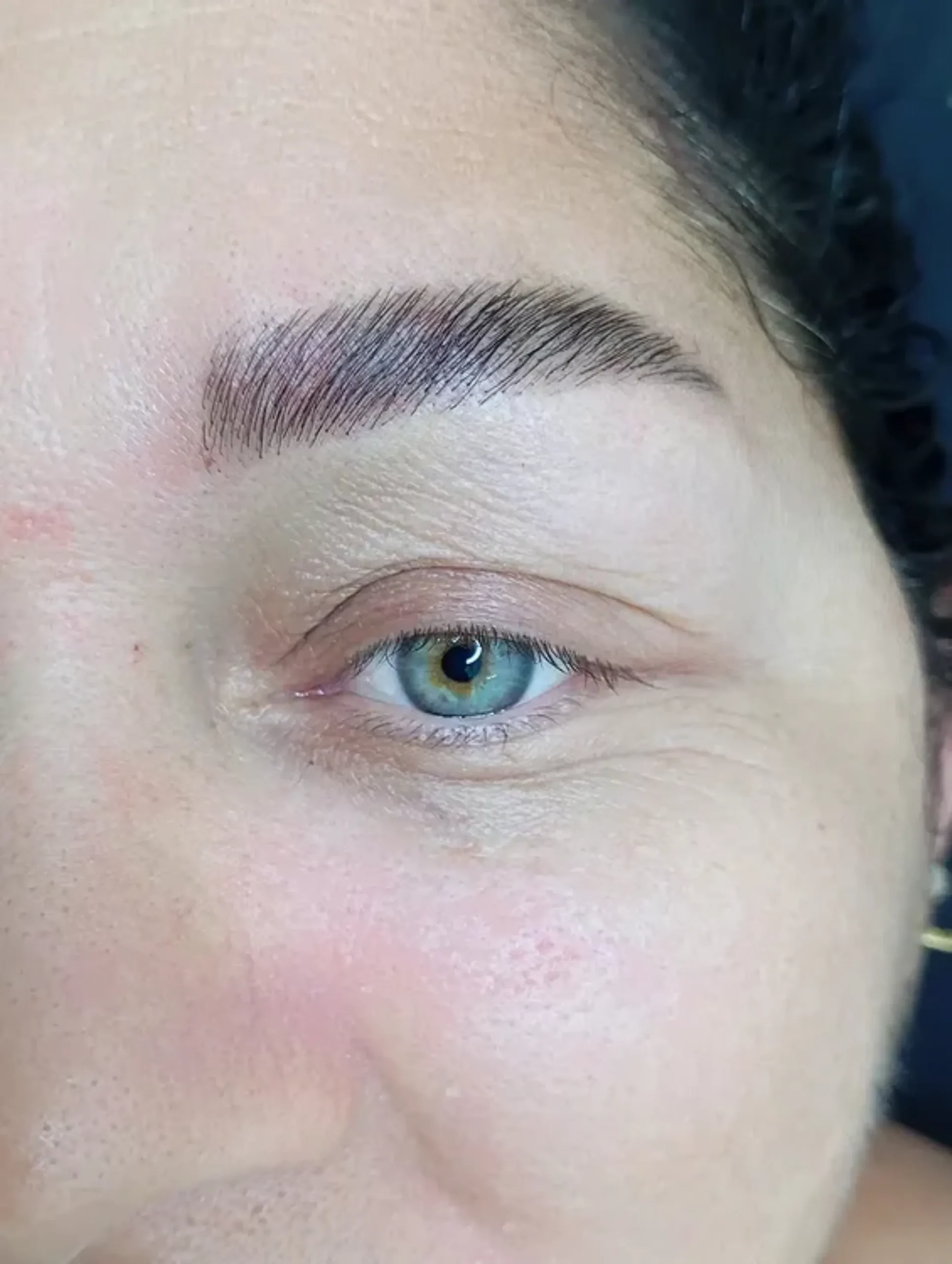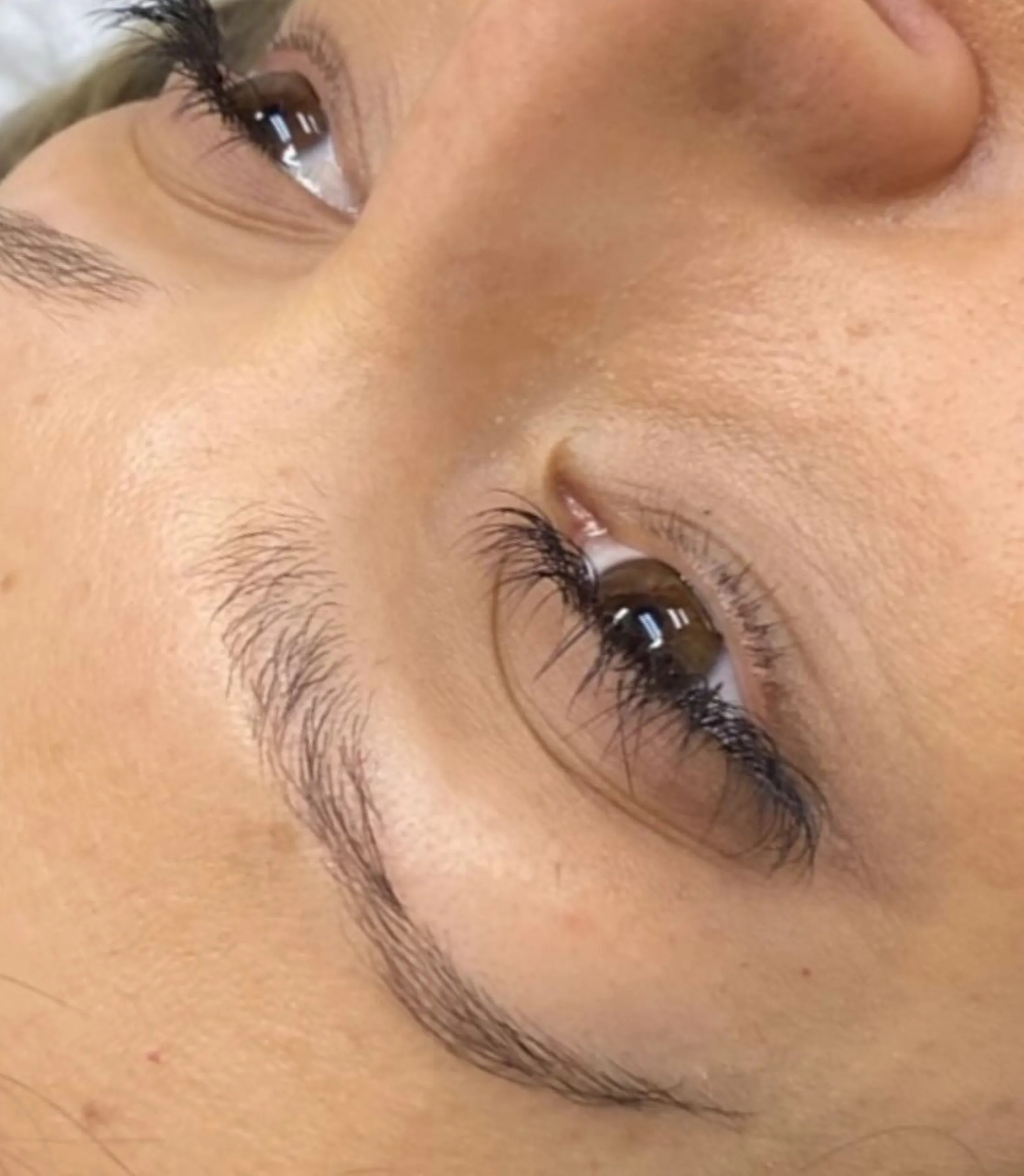
And yes, is a microblading course enough to become a brow tattoo artist? frames a really important discussion about what it actually takes to work confidently and safely in the cosmetic tattooing business.
Think of this as a no-holds-barred consult – the kind where you sit in my Face Figurati studio, sipping on a cup of coffee, and we go over the realities of brow tattooing without beating around the bush. Because let’s be honest, while a microblading training course is a fantastic place to start, the journey from student to fully-fledged PMU artist is a lot more complicated than people often make out.
Contents
- 1 The Start of the Journey, Not the Finish Line
- 2 Why A Single Course Doesn’t Cover Everything
- 3 What You Need To Start In Cosmetic Tattooing
- 4 A Look At Typical Training Pathways In Australia
- 5 Why Basic Training Isn’t Enough In Melbourne
- 6 If Your Training Is Limited to Brows
- 7 What A Full Training Path Looks Like
- 8 FAQ
The Start of the Journey, Not the Finish Line
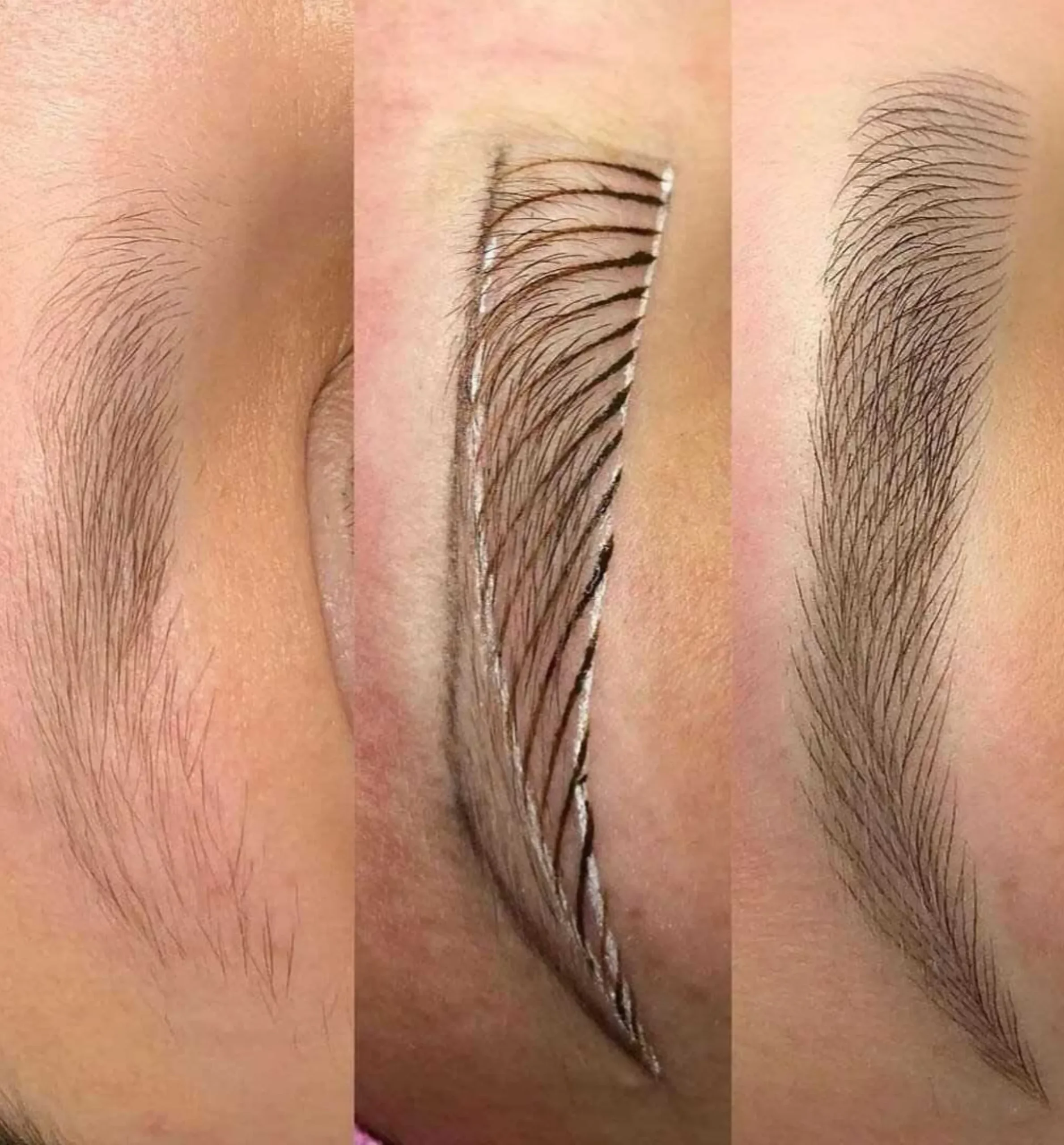
Let’s cut to the chase: a microblading course on its own just isn’t enough to safely and professionally practice brow tattooing in Australia.
The truth is that a basic microblading technique course gives you a good introduction to the basics of stroke patterns, mapping, some of the skin anatomy and a bit of colour theory – but it doesn’t even scratch the surface when it comes to things like infection prevention, safety protocols, and getting hands on experience with a live model, which are all essential if you want to offer proper semi-permanent eyebrow tattoos or permanent eyebrow services.
I see loads of newbies start out with my eyebrow microblading courses by Olha Po, where they learn the correct way to form strokes, the basics of colour theory and how to read skin before ever getting to work on a real model.
At Face Figurati in Melbourne, I see it happen all too often: someone finishes a quick microblading training program, gets all excited, and then suddenly realises they need a lot more industry knowledge before they can actually work with real clients. And that’s totally normal.
Why A Single Course Doesn’t Cover Everything
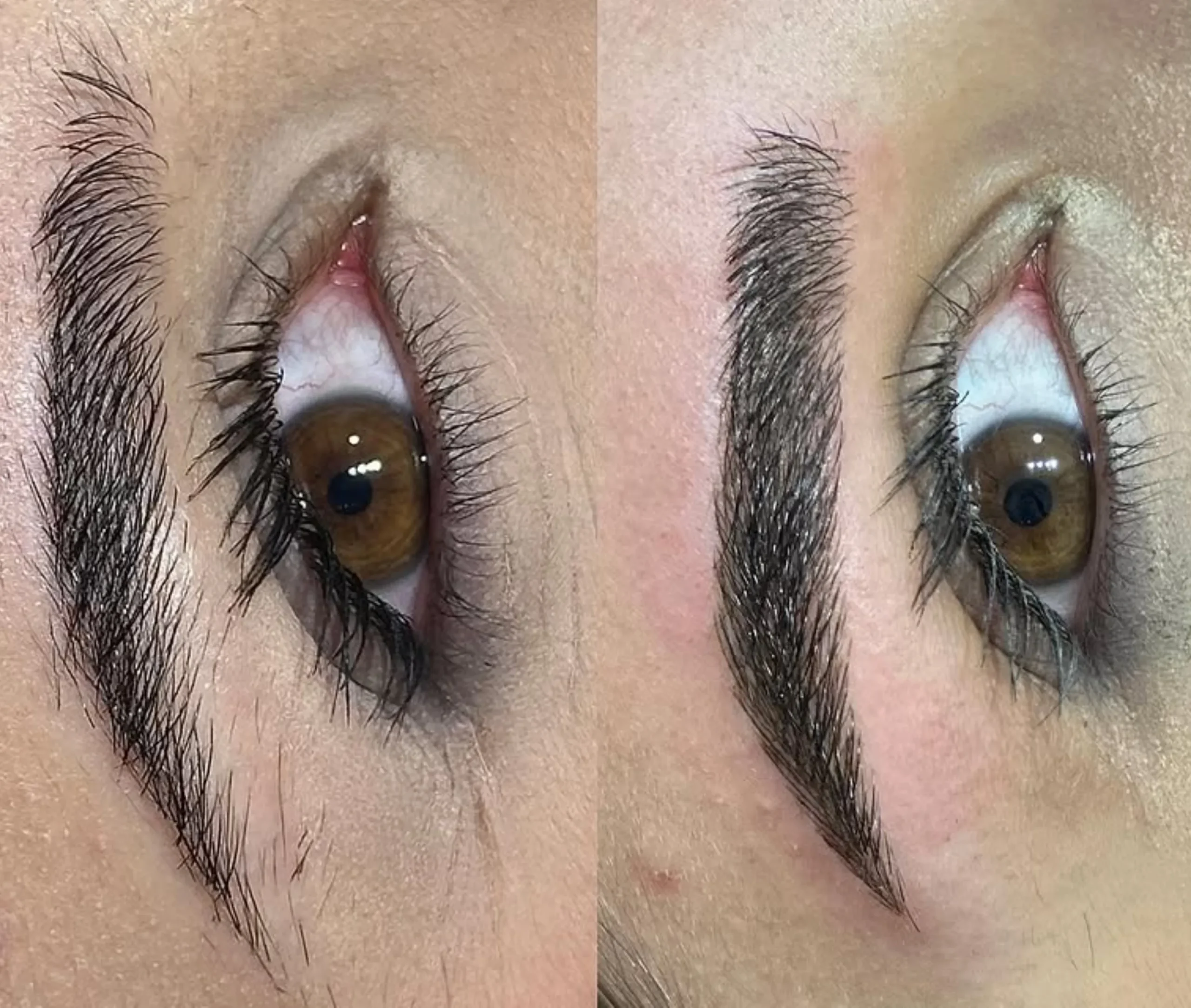
Microblading courses tend to put all their emphasis on the technique – specifically mastering those tiny microblading strokes – but let’s be honest, learning about the behaviour of cosmetic tattoo pigments in the skin is just as important as technique. And then there’s Melbourne’s famously unpredictable weather, varying skin types, and a growing demand for natural brow tattooing, and you start to see just how woefully inadequate one short course is.
What Most Training These Days Covers
- Microblading technique – the nitty gritty of how to get those hairs looking real.
- Brow mapping – getting the brow shape just right.
- Basic colour theory – the very basics of how to choose the right colours.
- Practising your strokes on fake skins – a chance to get a feel for the real thing.
- Client consultations – how to handle a few basic questions from your clients.
- The bare essentials – what you need to know to get started with the kit and manual.
What it Still Falls Woefully Short On
- The Victorian infection control regulations – crucial stuff you really need to know.
- Skin penetration laws – because you can’t just go around poking people with needles.
- Safe and responsible work on real people – the stuff that gets you ready for the real world.
- Handling skin types – oily, dry, mature, and all the rest – it’s not just about looks either.
- Making good decisions on the fly about pigment retention – that’s the kind of thing experience teaches you.
- Modern brow tattooing – all the fancy stuff that’s used by the top artists in the business.
- What the professional organisations expect from you – the kind of thing that can make or break your business.
If you’ve ever tried drawing on someone with oily skin in that awful Melbourne humidity, you don’t need me to explain why really solid training is essential.
What You Need To Start In Cosmetic Tattooing
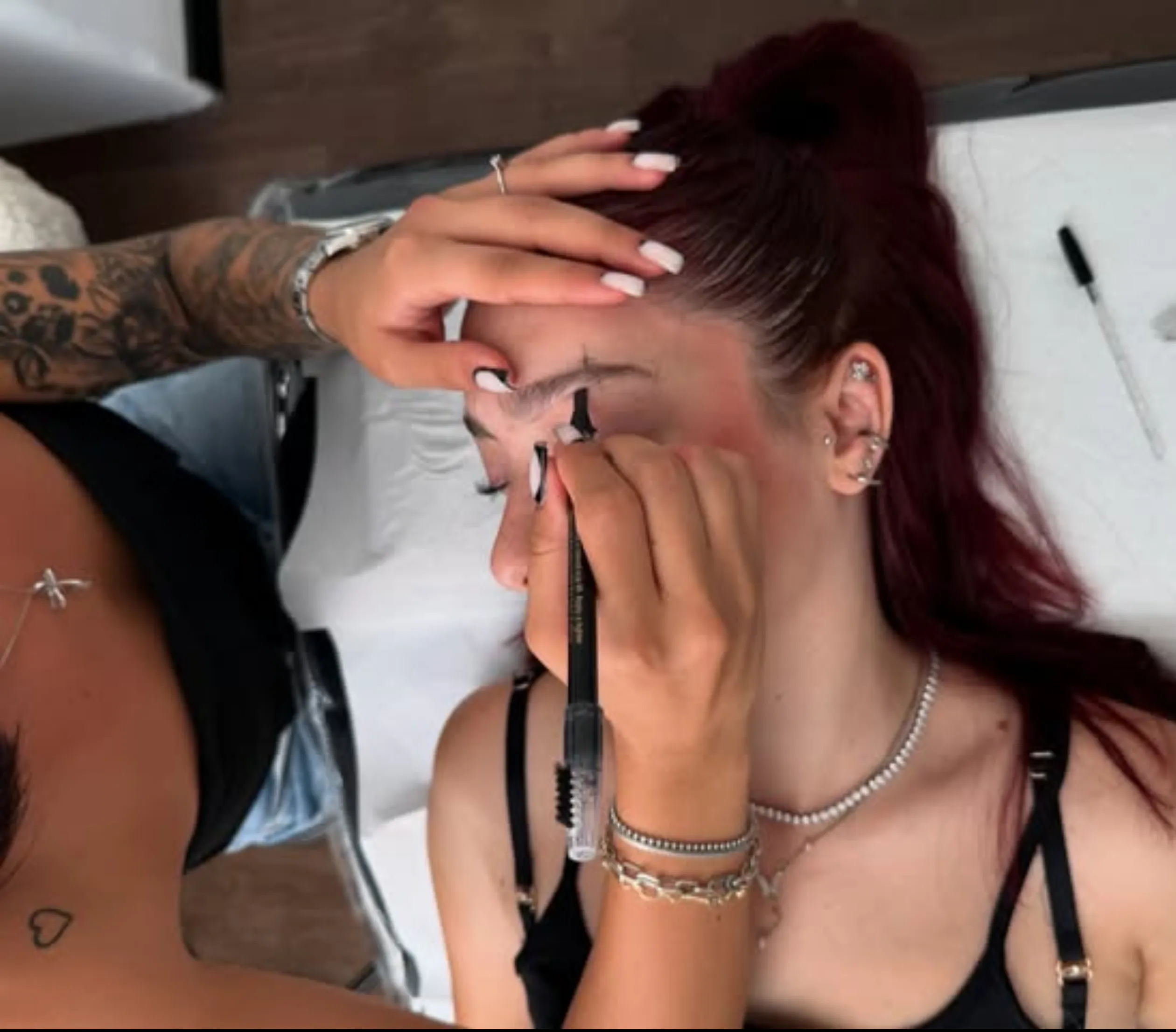
Listen up – here’s the lowdown based on the current Melbourne guidelines (and we all know these things can change like the wind):
1. Infection-Control Certification (HLTINF005 or equivalent)
This is non-negotiable. Infection control ensures you understand:
- Cross-contamination
- Bloodborne pathogens
- Proper workspace hygiene
- Safe cosmetic tattooing practices
Without this, you simply can’t legally put needles into people.
2. Hands-On Work On Live Models
There is no way to truly learn about skin as you get by doing it for real – live models are where the magic happens, and you get to see:
- How different skin types retain pigment
- Bleeding vs non-bleeding skin
- Real-time client communication
- How to adjust technique mid-treatment
I’ve seen some pretty promising students get cold feet during their first live model session because – let’s be real – fake skin just doesn’t cut it in the real world.
3. Understanding Multiple Brow Tattoo Techniques
If you want to make it in this industry, you need to have a few strings to your bow – modern brow artists aren’t just about slapping on a bit of pigment. You need to know your stuff about:
- Machine shading
- Ombre brows
- Nano brows
- Combination techniques
Your clients aren’t looking for cookie-cutter brows; they want something that shows you’ve put real thought into their individual needs and wants.
4. A Professional Setup + Council Registration
Whether you’re working for someone else or flying solo as one of Melbourne’s many freelance tattoo artists, you need to:
- Register as a skin penetration business
- Follow strict hygiene and safety protocols
- Maintain compliant equipment
- Stay informed about industry standards
Cosmetic tattooing is not about being a pretty face; it’s about being a professional.
A Look At Typical Training Pathways In Australia
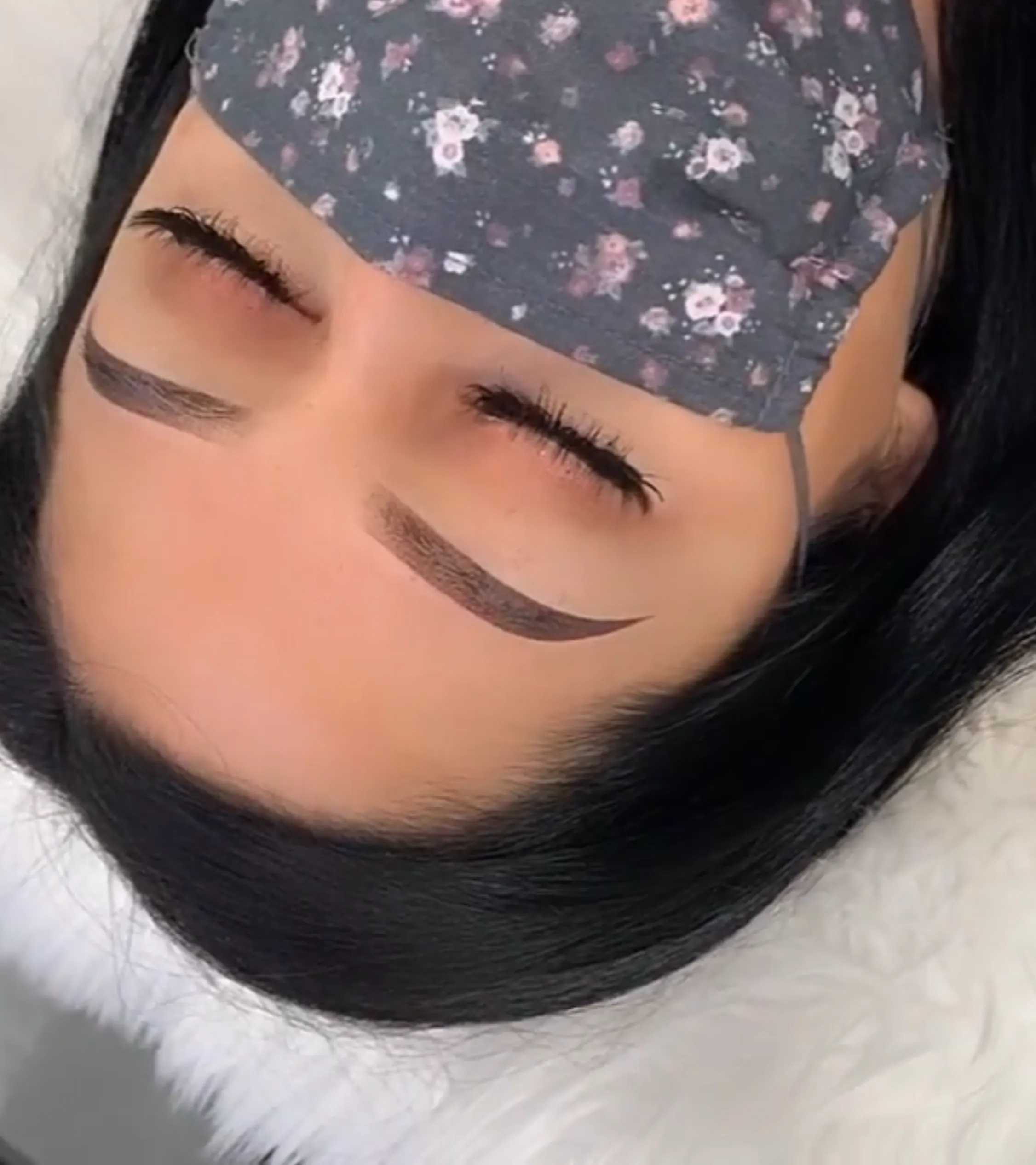
Here’s a comparison table to help you see what’s included in a basic microblading course versus a full brow-tattoo education pathway.
| Training Type | What You Learn | Skin Knowledge Level | Legal Requirements Covered | Suitable For |
|---|---|---|---|---|
| Microblading Course (Basic) | Brow mapping, microblading technique, beginner colour theory | Low–Moderate | Rarely | Students starting in cosmetic tattooing |
| Advanced Brow Tattoo Course | Combination brows, machine shading, and correction work | Moderate–High | Sometimes | Artists wanting more industry knowledge |
| Nano / Machine Brow Masterclass | Precision hair strokes, pigment saturation control | High | No | PMU artists need refinement |
| Infection Control Certification | Hygiene, pathogens, and safe skin penetration | Essential | Yes | Anyone tattooing clients |
| Mentorship / Shadowing | Client communication, troubleshooting, and healed results | Very High | No | Artists building confidence |
Based on Australian cosmetic tattoo training providers (2024).
Why Basic Training Isn’t Enough In Melbourne
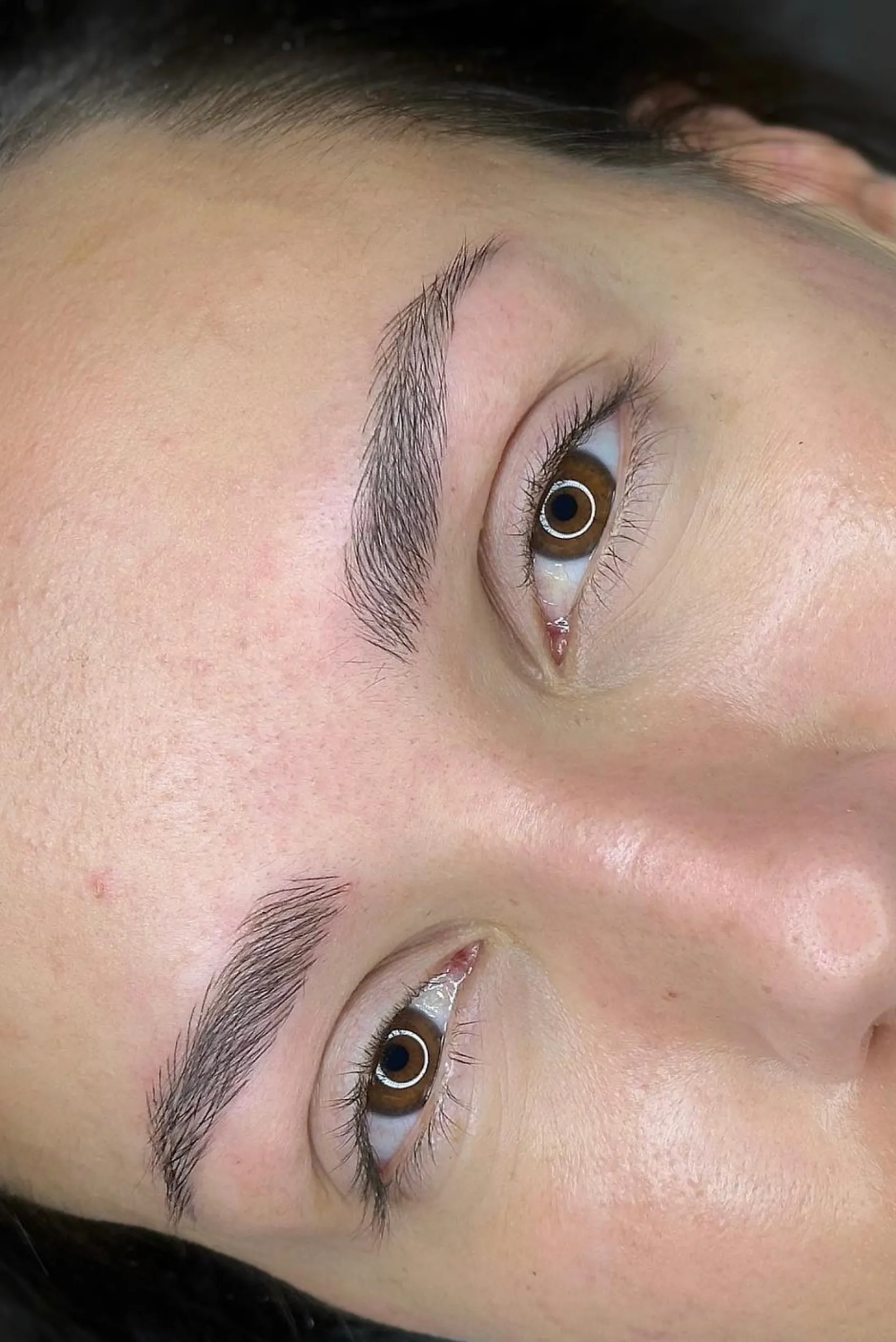
Melbourne skin is a bit of a nightmare, really – with freezing winters, scorching summers, office heaters blasting away, the gym crowd, and the city’s pollution levels, your skin behaves in ways that are nothing like your interstate counterparts.
At Face Figurati, I see all sorts of issues every day.
- Oily skin types are always struggling with blurred microblading strokes.
- Dry, flaky skin tends to reject the pigment unless the technique is tweaked.
- Mature skin needs feather-light pressure to avoid doing any damage.
- Uneven texture makes a right old mess of the pigment flow and results in blotchy healed skin.
Where most artists fail is when they think of themselves as just ‘technicians’ – whereas actually, they need to be problem-solvers.
A cosmetic tattoo artist needs to be able to adapt their technique, pigment selection, and aftercare to the client’s unique skin type and conditions.
If Your Training Is Limited to Brows
Nothing’s going to be disastrous, but you’ll soon spot the gaps in your training.
Common issues include:
- Healed results that are patchy at best
- Strokes on the brows that are overworked and a bit wonky
- Mismatched colour due to a lack of understanding of colour theory
- Incorrect technique and poor knowledge of the client’s skin anatomy – not good for anyone
- And all sorts of trouble when it comes to getting the pigment to stick
I see this all the time, where enthusiastic artists are putting brows on clients, but their training and business support from their original training provider just hasn’t been up to scratch.
What A Full Training Path Looks Like
Here’s what I reckon is essential if you want to build a sustainable career in cosmetic tattooing:
Step 1: Take A Solid Microblading Foundation Course
Get to grips with your hand pressure and stroke patterns. You need to feel confident with the basics before you move on to more advanced stuff.
Step 2: Complete Infection Control Certification
This bit’s a no-brainer – without it, you’re not allowed to do skin penetration.
Step 3: Train In Machine Work & Advanced Brow Tattooing
This is where you’ll learn the skills that’ll set you apart from the rest – especially the skills to work with all sorts of skin types, not just the ideal ones.
Step 4: Work On Live Models With A Mentor
There’s no better way to build your confidence than putting your skills to the test on real people in a real-life setting.
Step 5: Build A Portfolio And Track Healing Results
And here’s the bit that most artists tend to skip – but trust me, it’s what sets the pros apart from the rest.
FAQ
Can I tattoo clients after just one microblading course?
Sorry mate, not until you’ve completed that Infection control training and shown that you’ve got safe technique down pat.
How long does it take to feel confident as a brow tattoo artist?
On average, about 6 to 12 months of regular practice on all sorts of skin types. But of course, that depends on you and how hard you’re willing to work.
Is microblading still popular here in Melbourne?
Yeah, it is still pretty popular – but that’s changing because more and more people are opting for ombre and nano brows, and that’s because they tend to heal better on most clients.
Will I need to learn more than one technique?
Absolutely – there’s no single method that will suit every single skin type.
Do I need a formal qualification?
There’s no national diploma, but reputable training providers and professional organisations expect strong practical skills, solid infection prevention knowledge, and proof of safe work on live models.